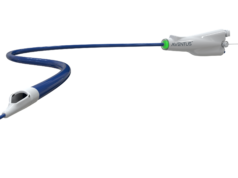

Imperative Care has announced new findings from a pre-specified sex-specific analysis of the SYMPHONY-PE investigational device exemption (IDE) trial, which evaluated the Symphony thrombectomy system in patients with intermediate-risk pulmonary embolism (PE). The analysis was published in the Journal of the Society for Cardiovascular Angiography & Interventions and presented by Aymen Ahmed of Endeavor Health Cardiovascular Institute at Transcatheter Cardiovascular Therapeutics (TCT; 31 October–3 November, San Diego, USA).
According to a company press release, both women and men experienced substantial clot burden reduction, improvements in right heart function and broadly comparable short-term clinical and safety outcomes after aspiration thrombectomy. Women showed greater evidence of cardiac stress at baseline, despite a similar initial clot burden.
The analysis evaluated a modified intention-to-treat population of 106 patients across 17 US centres, including 42 women (40%) and 64 men (60%). The 24Fr Symphony aspiration catheter was used in 91% of women and 94% of men. No deaths or device-related serious adverse events were reported in either group through 30 days.
At 48 hours, women had significantly lower right ventricle/left ventricle (RV/LV) ratios than men (1.03 vs. 1.14; p=0.006), a difference that remained significant after multivariable adjustment (p=0.010). Women also had a greater unadjusted percentage reduction in mean pulmonary artery pressure (28% vs. 19%; p=0.02), although the association between sex and post-thrombectomy mean pressure was not statistically significant after adjustment.
“Previous studies have raised concerns about higher rates of bleeding and vascular complications among women undergoing procedures requiring large-bore vascular access, including advanced pulmonary embolism interventions. These concerns make the safety and effectiveness of large-bore thrombectomy in women an important clinical question,” said Arman Qamar, senior and corresponding author of the study, director of the Center for Cardiovascular Personalized Medicine and co-director of the Pulmonary Embolism Response Team (PERT) at Endeavor Health Cardiovascular Institute.
“Our findings are particularly encouraging. Despite presenting with greater evidence of cardiac stress at baseline, women experienced substantial reductions in clot burden and improvements in right ventricular function, with clinical and safety outcomes broadly comparable to those observed in men. These prospective findings provide reassurance regarding the use of 24Fr pump-driven aspiration thrombectomy in women, while underscoring the need for larger studies to further evaluate sex-specific treatment responses and long-term outcomes,” Qamar added.
Fred Khosravi, chairman and chief executive officer (CEO) of Imperative Care, said: “Generating meaningful clinical evidence is fundamental to advancing thrombectomy care. As the first-in-field sex-specific analysis of a 24Fr pump-driven aspiration thrombectomy platform, we believe these findings address an important evidence gap in the treatment of women with pulmonary embolism and reinforce our commitment to advancing clinical science that helps physicians make informed treatment decisions and ultimately improve patient care.”