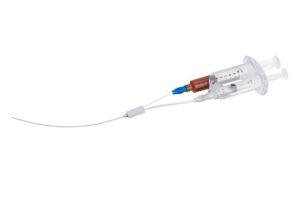
VVT Med has announced the publication of a peer-reviewed clinical study evaluating the short-term efficacy and safety of its ScleroSafe catheter-directed sclerotherapy system. The study, authored by Aniruddha Sanjoy Bhuiyan and Meet Taral Sheth (both Holy Spirit Hospital and Medical Research Centre, Mumbai, India), was published in the Indian Journal of Vascular and Endovascular Surgery.
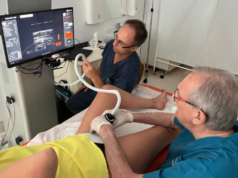
The prospective observational study enrolled 30 patients treated between March 2025 and July 2025 for symptomatic primary varicose veins at Holy Spirit Hospital and Medical Research Centre. Eligible patients had CEAP class C2–C5 disease with duplex-confirmed reflux in the great or small saphenous vein and no prior venous interventions on the treated limb. All procedures were performed under ultrasound guidance by a single experienced vascular surgeon. Technical success was defined as successful cannulation, catheter advancement to the saphenofemoral or saphenopopliteal junction, and uniform sclerosant delivery with immediate vein wall contact confirmed on ultrasound.
The study reported the following outcomes:
- Clinical success: Achieved in all 30 patients (100%).
- Vein occlusion rate: 95% at day 30 and 92% at day 90.
- Symptom relief: Immediate postprocedure improvement was reported for leg heaviness in 80% of patients, pain in 65%, and swelling in 40%, within 24 hours of the procedure.
- Safety profile: No cases of deep vein thrombosis, thrombophlebitis, skin necrosis, nerve injury, or new pigmentation were observed throughout the 90-day follow-up period.
The authors concluded that ScleroSafe catheter-directed sclerotherapy achieved high early closure rates and significant symptom improvement, describing it as a safe, effective, and reproducible non-thermal alternative for managing superficial venous reflux.
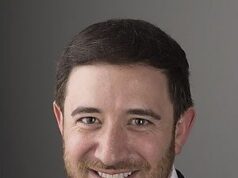
“The publication of this peer-reviewed study in an indexed, internationally recognised journal represents an important milestone for VVT Med,” said Erez Tetro, CEO of VVT Med. “Independent clinical data generated by vascular surgeons in routine practice, and validated through a rigorous peer-review process, provides meaningful external support for the efficacy and safety profile we have observed across our global commercial deployments. We believe this publication strengthens the clinical evidence base for ScleroSafe and supports the growing adoption of our NT-NT [non-thermal, non-tumescent] approach by physicians worldwide.”